
 Benefits of Digital Marketing: 15 Powerful Advantages for Business Growth (2026)
BrandingJuly 17, 2026
"Strategic marketing is the key to sustainable growth. Businesses that understand their customers, track meaningful outcomes, and continuously improve their strategy are better positioned to build sustainable digital growth."
– FT Nexavvy
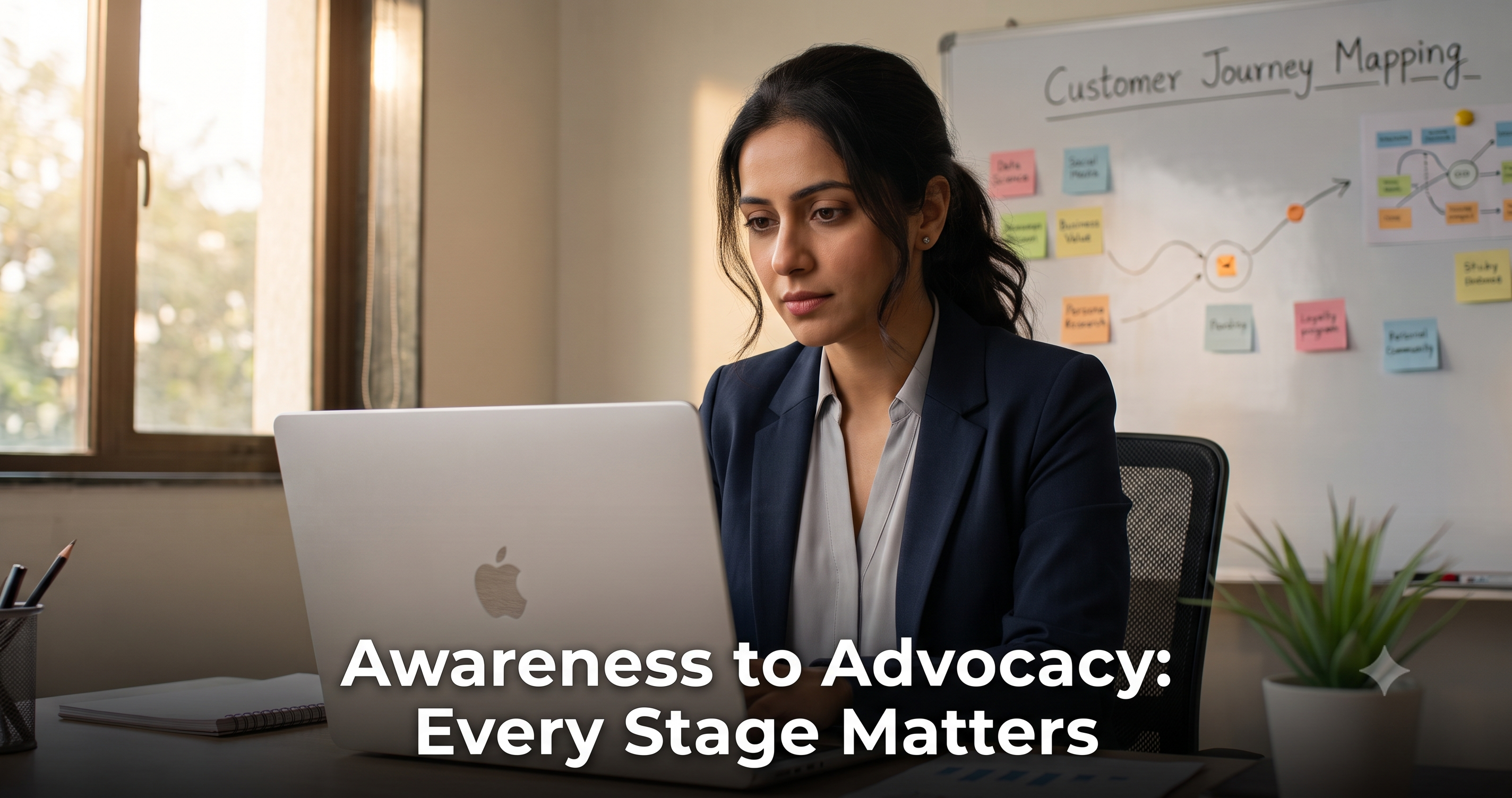
| Customer Stage | Customer Need | Useful Channel |
|---|---|---|
| Awareness | Discover solutions | Social media, videos, content |
| Research | Learn more | Blogs, SEO, guides |
| Comparison | Evaluate options | Service pages, case studies |
| Decision | Take action | Google Ads, landing pages |
| Retention | Stay connected | Email, automation |
| Advocacy | Recommend business | Reviews, referrals |
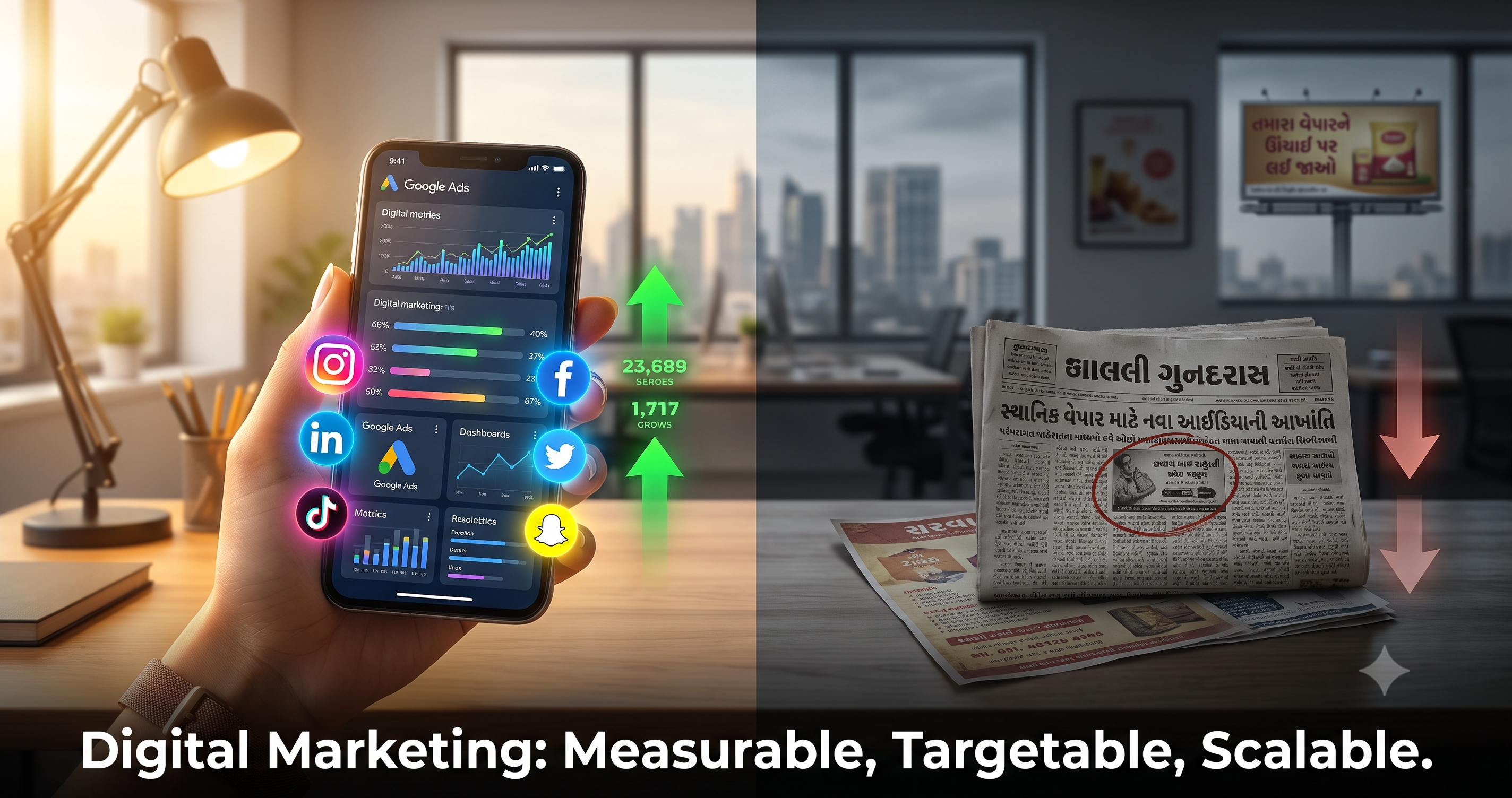
| Factor | Digital Marketing | Traditional Marketing |
|---|---|---|
| Targeting | Highly specific | Usually broader |
| Measurement | Detailed | Often limited |
| Optimisation | Faster | Slower |
| Personalisation | High | Limited |
| Geographic control | Flexible | Placement dependent |
| Customer interaction | Two-way | Mostly one-way |
| Performance tracking | Strong | Often harder |
| Budget flexibility | High | Often less flexible |
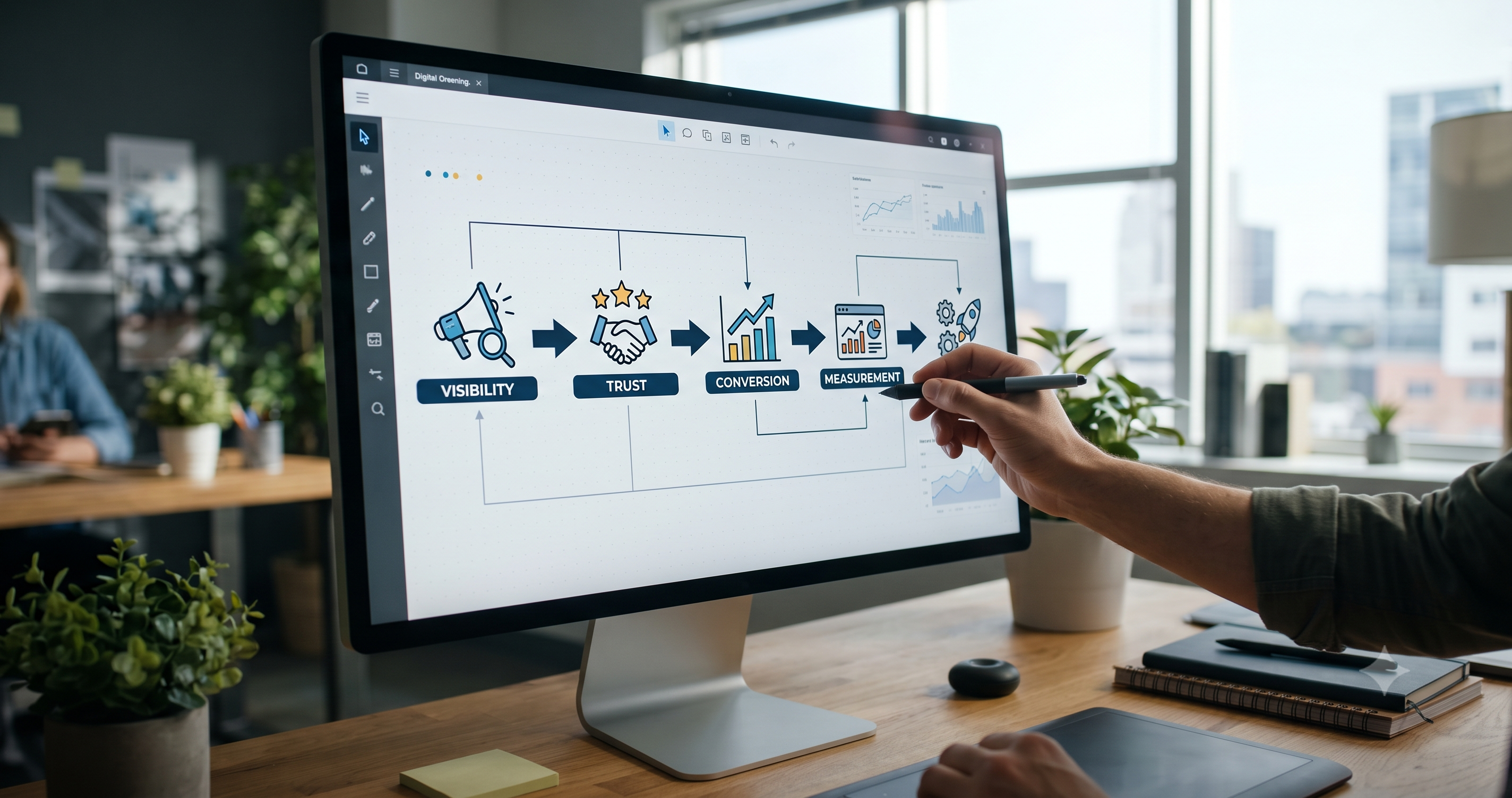
Digital marketing helps businesses increase visibility, reach relevant audiences, generate leads, build customer relationships, and measure marketing performance.
It creates multiple opportunities to attract, engage, convert, and retain customers through measurable online channels.
Major benefits include better targeting, measurable results, wider reach, local visibility, lead generation, customer engagement, and improved marketing optimisation.
Small businesses can use digital marketing to target specific customers and geographic areas without always competing directly with larger brands.
Neither is universally better. Digital marketing offers stronger targeting and measurement, while traditional marketing can still work for certain audiences and markets.
SEO helps businesses improve organic visibility when potential customers search for relevant information, products, or services.
Google Ads can place businesses in front of users actively searching for relevant products or services. Results depend on targeting, competition, budget, and landing page quality.
Social media can support brand awareness, customer engagement, community building, content distribution, and paid audience targeting.
Performance marketing focuses on measurable outcomes such as leads, purchases, conversions, or revenue rather than visibility alone.
Local SEO helps geographically focused businesses improve their visibility in relevant local searches and map-based results.
Timelines depend on the channel. Paid campaigns may generate activity quickly, while SEO and content marketing often require several months of consistent work.
There is no universal budget. Spending should depend on business goals, industry competition, customer value, resources, and expected acquisition costs.
No responsible marketer can guarantee sales. Results depend on market demand, competition, pricing, offer quality, targeting, website experience, and execution.
Businesses can track leads, conversions, revenue, customer acquisition cost, return on ad spend, organic visibility, and other metrics aligned with business goals.
The right channels depend on where customers search and spend time. Businesses should select channels based on customer behaviour and objectives.
Ready to Grow Your Business Online?
Read Related Articles:
Author

FT Nexavvy
FT Nexavvy editorial team.


ON THIS PAGE
Benefits of Digital Marketing: 15 Powerful Advantages for Business Growth (2026) The Step-by-Step Digital Marketing Process: How to Create a High-Performing Online Strategy (2026)
Have a Project?
Let’s talk!

NDA? Absolutely just ask.
We’ll respond in 24 hours fast & focused.
Work with senior UX experts, not juniors.
Schedule a call:
Mr Panchal
Founder & CEO
How can we help you?
Prefer email?
hello@ftnexavvy.com

DIGITAL MARKETING AGENCY IN AHMEDABAD

Working Hours
Monday – Saturday 9:00 am – 6:00 pm ( Sunday > Closed )
Services
Use Cases
Travel
Health & Fitness
Educations
News App
Food Order & Delivery App
Work inquiries
Interested in working with us?
hello@ftnexavvy.com
Call : +91 90303 48383
Ahmedabad Office:
A-531, Money Plant High Street,
Gota, Ahmedabad - 382470
Looking for a job opportunity?
See open positions
Sign up for the newsletter










Disclaimer
© 2025-2026 Nexavvy. All rights reserved.
